Behavioral regulation involves being aware of one’s actions and emotions in various situations and being able to manage them appropriately. This involves self-awareness of one’s behavior and being able to control impulses (thinking before acting).
Sensory Regulation vs. Behavioral Regulation
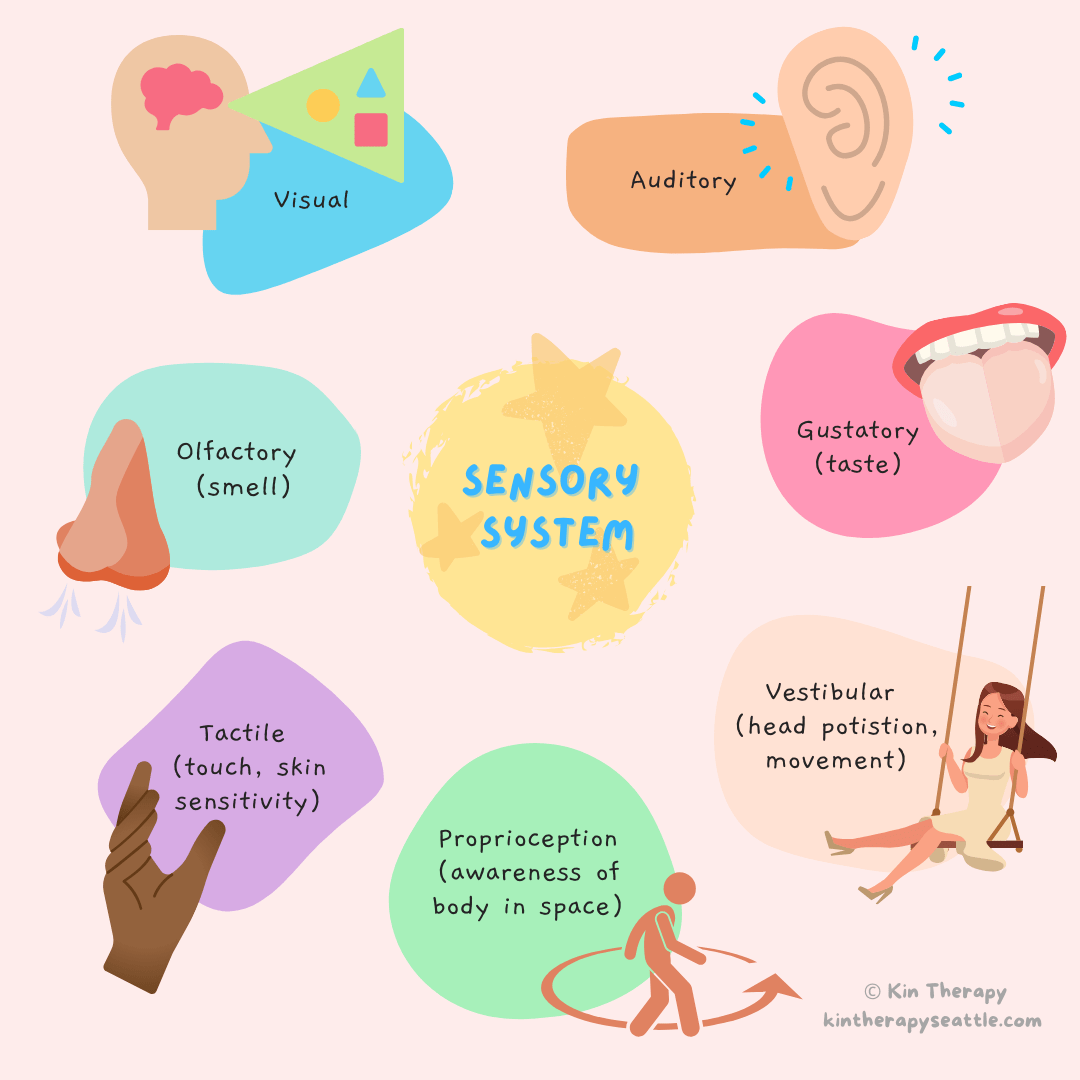
Sensory regulation, or sensory processing, plays a major factor in behavioral regulation, particularly for neurodivergent individuals. This process involves being able to take in and respond appropriately to environmental stimuli, related to the senses (touch, smell, sound, taste, sight).
Every individual processes their environment differently. Some students may require more sensory input than others, necessitating an outlet to experience specific sensory input to appropriately redirect their behavior.
For students with learning disabilities, it is important to identify which of the three types a student processes sensory input:
Sensory Sensitive
Easily distracted to environmental stimuli, difficult to adapt to or block out irrelevant stimuli
Sensory sensitive students may need environmental modifications and routine/consistency to improve focus in the classroom.
Sensory Seeking
Hyperactive, fidgety, constantly in motion, impulsive, lack of safety awareness or boundaries
Sensory seeking students may need an outlet to experience sensory stimuli to avoid outbursts/impulsive behavior in the classroom.
Sensory Avoidant
Strong aversion to sensory input(s), withdraws from situations, emotional outbursts
Sensory avoidant students may need gradual/graded exposure to aversive stimuli to build tolerance in the classroom over time.
It is also important to consider students’ need for input for aspects like proprioception, vestibular input, and tactile input:
Proprioception (body awareness)
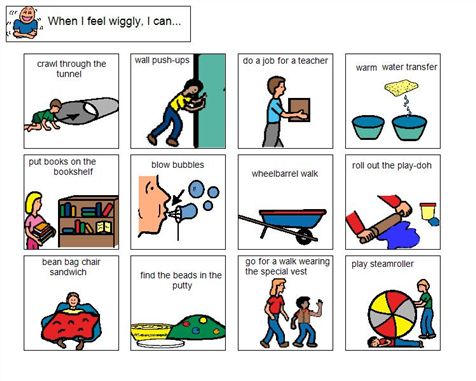
Animal walks (ex: bear crawls or crab walks)
Jumping (ex: trampoline)
Resistance/weight-bearing activities (ex: pushing/pulling/lifting objects, such as wall push ups, pulling/pushing the desks, classroom chores tying resistance bands along the front legs of a chair for a student to kick or press their legs against)
Yoga
Climbing activities
Vestibular (challenges to balance/spatial orientation)
Swings
Slow rocking (self or from staff)
Jumping jacks
Freeze dance or dance breaks
Activities that change their direction or speed (ex: spin & stop in place, head tilts/rolls, wobble seats/yoga ball sitting)
Tactile (responsiveness to touch)
Animal or wheelbarrow walking
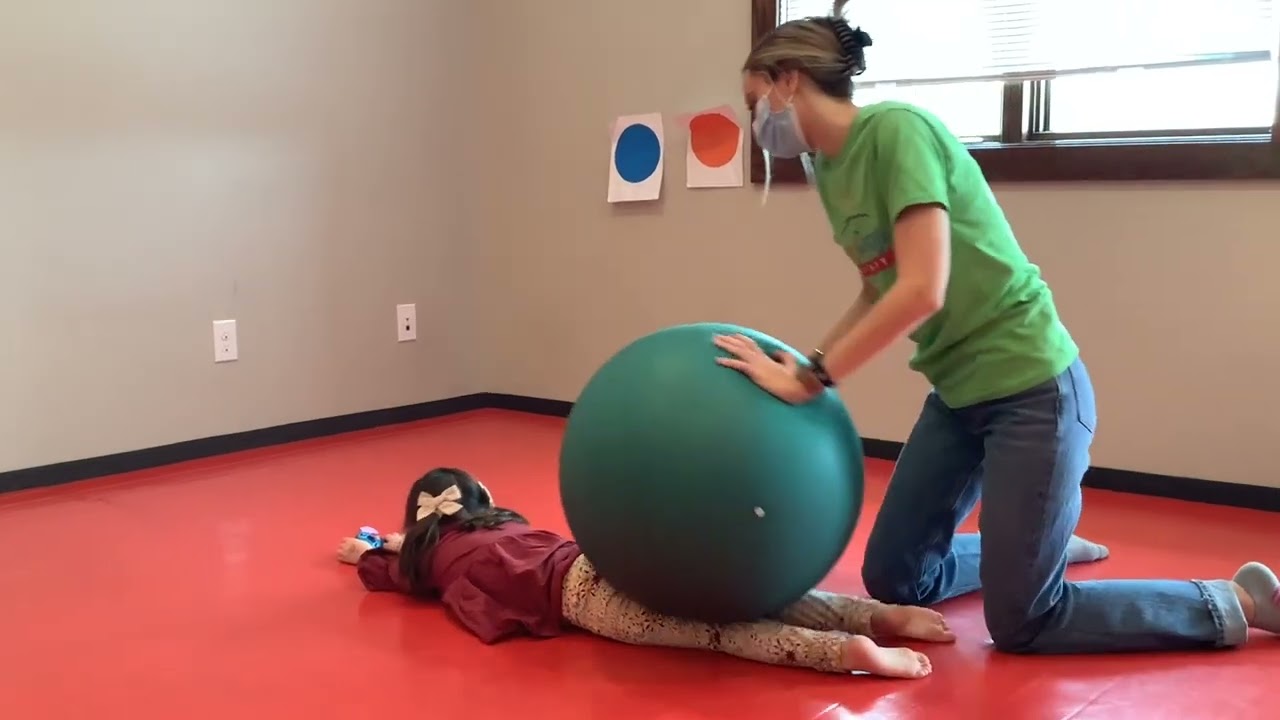
Deep pressure (ex: compression clothing, weighted blanket or lap pads, burrito/pillow wrapping* or steamroller technique*, bear hugs, gently applying pressure to the shoulders/major joints)
Preventing potentially overstimulating events (or providing clear communication to the student prior tot the event)
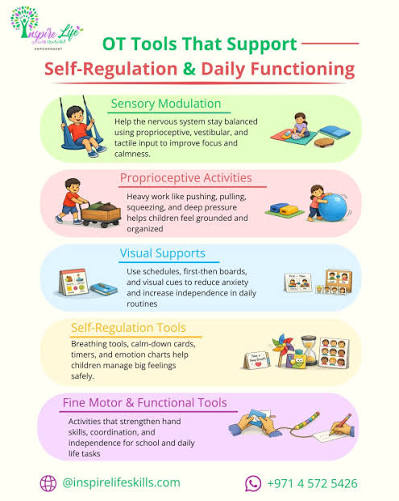
Sensory Diet
A personalized plan of sensory accommodations/interventions to meet individual sensory needs. A sensory diet keeps students focused, calm, and balanced by providing specific input to help regulate their sensory needs. Depending if the student needs vestibular, proprioceptive, tactile, or any other sensory input, see examples above/below for strategies to include in their sensory diet.